
Are Irregular or Heavy Periods Normal After a Girl's First Period?
Are Irregular Periods Normal After a Girl’s First Period?
One of the most common questions mothers ask in the first year after menarche is whether their daughter’s cycles are “normal.” The answer, in many cases, requires a wider understanding of how the menstrual cycle actually matures.
In the early months and even the first one to two years after a girl begins menstruating, the hormonal system is still learning to coordinate itself. The communication between the brain and ovaries (sometimes called the hypothalamic–pituitary–ovarian axis or HPO axis) develops gradually. Estrogen and progesterone do not immediately fall into a predictable pattern, and ovulation may not happen consistently at first. As a result, cycles can be irregular, closer together than expected, farther apart than expected, lighter one month and heavier the next.
This variability reflects a system establishing its rhythm.
What Causes Heavy Bleeding in Early Cycles?
Heavy bleeding can feel especially alarming. It is important to define what “heavy” means in a practical sense. Bleeding may warrant closer attention if your daughter is soaking through a pad or tampon every hour for several hours, waking overnight to change products, bleeding longer than seven days, passing large clots, or having fewer than twenty days between cycles.
In early menstruation, one common reason for heavier bleeding is anovulatory cycles. During a fully ovulatory cycle, estrogen builds the uterine lining and progesterone later rises to stabilize it before menstruation begins. In cycles where ovulation has not yet occurred, progesterone does not rise in the same way. Estrogen may continue thickening the lining without that balancing phase, and when bleeding begins, it can be heavier or longer.
This pattern often reflects immaturity in the hormonal rhythm rather than pathology. Still, heavy bleeding can disrupt school, sleep, and daily life, and deserves thoughtful evaluation.
When to Seek Medical Guidance
Although early cycle irregularity is common, certain patterns merit a visit with a pediatrician or adolescent gynecologist. These include prolonged bleeding, significant fatigue or dizziness, severe pain that limits daily activity, or cycles that remain widely unpredictable over time.
It can also be wise to investigate contributing factors such as iron deficiency, vitamin D insufficiency, thyroid imbalance, polycystic ovary syndrome (PCOS), or underlying bleeding disorders. These are conversations to have with a provider who takes adolescent menstrual health seriously.
Lifestyle & Nutritional Support
In addition to medical evaluation, foundational support can make a meaningful difference. Nutrients such as magnesium and B vitamins support hormone metabolism and nervous system regulation. Iron, often paired with vitamin C for absorption, helps restore levels depleted by heavier bleeding. Omega-3 fatty acids support inflammatory balance.
The liver plays a central role in processing hormones, and overall nourishment matters. Hydration, adequate protein, cruciferous vegetables, and limiting highly processed foods all contribute to hormonal resilience.
Nonsteroidal anti-inflammatory medications like ibuprofen may reduce bleeding and cramping when used appropriately, and heating pads can offer comfort. Some families explore herbal support such as chaste tree berry (Vitex) in partnership with a knowledgeable clinician.
Hormonal Birth Control and "Regulating" Cycles
When heavy or irregular cycles interfere with daily life, hormonal birth control is often recommended. It is important to understand how it works, and be informed of the potential risks. Rather than guiding the body into its own rhythm, hormonal contraceptives provide synthetic hormones that override natural fluctuations and suppress ovulation. The bleeding that occurs during placebo weeks is a withdrawal bleed, not a spontaneous menstrual period.
For some adolescents, hormonal support may serve as a temporary medical tool, particularly when bleeding leads to anemia or severe disruption. In those cases, informed decision-making matters. Questions about duration, alternative treatments, nutrient status, and underlying causes deserve space in the conversation.
Access to birth control remains an essential component of reproductive autonomy. At the same time, adolescents benefit from clear explanations about how their bodies function and what different interventions actually do.
Teaching Girls to Track Their Cycle
Regardless of the treatment path chosen, cycle tracking offers powerful insight. When a girl begins to record the first day of bleeding, the length of her cycles, her energy shifts, and any symptoms she notices, she gains data about her own body. Patterns become visible, questions become specific, and appointments with providers become more productive. Tracking builds literacy and agency.
The menstrual cycle is a complex and intelligent system that matures over time. With patient observation, supportive care, and informed guidance, most girls will see their cycles settle into greater regularity. Our role as caregivers is to provide steadiness, advocate when needed, and ensure that our daughters grow into their menstruating years with knowledge and confidence.
If you would like a simple way to begin tracking cycles together, you can download the free Four Seasons Cycle Tracker here.
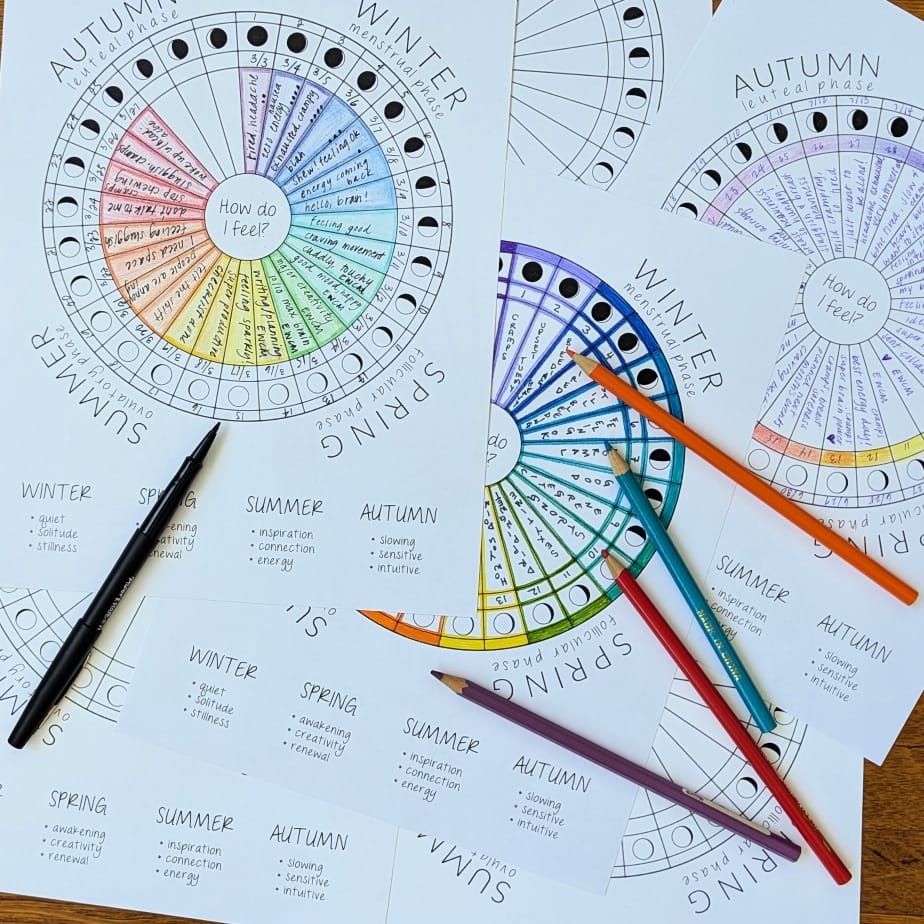
Cycle literacy begins with understanding the rhythm of the menstrual cycle — not just bleeding, but the four distinct phases that shape energy, emotions, and needs.
This cycle tracking wheel is a simple visual tool to support that learning and to help young menstruators build trust in their bodies from the very beginning.
The Four Seasons Cycle Tracker is the tool I wish I’d had when I was younger! I am so happy to share it with families who want to raise body-literate, confident girls. (And yes, it's great for moms & caregivers to use too!)
For more guidance on navigating this transition — from early cycle irregularity to body literacy, from practical support to meaningful celebration — I walk through each step in Period of Change: Welcoming Your Daughter’s Period with Care and Confidence.
It was written for this exact moment: when a mother wants to respond with steadiness, clarity, and intention, even if she did not receive that herself.
If you are a mother who wants to offer your daughter something different than what you received — something rooted in knowledge, dignity, and celebration rather than confusion or silence — I invite you to explore the Period of Change circles and resources created for girls and their families.
If you are an educator, therapist, or women’s circle leader who feels the cultural shift that is needed and wants to carry this framework into your own community, Period of Change Leadership Training is designed to support you in doing this work with integrity and depth.
If this idea resonates with you, I would love for you to share this post with a mother, daughter, or educator who is ready for a different way of approaching puberty and the menstrual cycle.
This article is intended for informational and educational purposes only and does not constitute medical advice. Always seek the guidance of a qualified healthcare provider regarding questions about your child’s health or before beginning any supplementation or treatment plan.

Empowering girls* with body
sovereignty and cycle literacy,
one circle at a time.


Be the first to know about upcoming circles, retreats, and offerings—plus receive heartfelt wisdom and resources to support your journey.
amy@periodofchange.com
All content, images, and event names © Amy Wilding 2025
Photo credit: Amy Wilding | Kitra Cahana | Sarah Hester
KGWildways font (based on Amy Wilding's handwriting) © Kimberly Geswein
T&C
* All Period of Change events are inclusive, and welcome menstruators and future-menstruators of all gender identities and expressions.
Empowering girls* with body sovereignty
and cycle literacy, one circle at a time.
* All Period of Change events are inclusive, and welcome menstruators and future-menstruators of all gender identities and expressions.
Be the first to know about upcoming circles, retreats, and offerings—plus receive heartfelt wisdom and resources to support your journey.
All content, images, and event names © Amy Wilding 2025
Photo credit: Amy Wilding | Kitra Cahana | Sarah Hester
KGWildways font (based on Amy Wilding's handwriting)
© Kimberly Geswein
T&C